Learn About Vital Tree Care Methods for Ideal Tree Well-being
Having knowledge of arboriculture is crucial for ensuring ecological wellness. Crucial methods such as mulching and pruning are vital factors in encouraging strong tree growth. In addition, correct irrigation methods are critical for root establishment. However, many people overlook the indicators of tree illness and the value of professional arborists. Investigating these factors can foster a greater respect for arboriculture and trees. What steps can one take to help their trees grow strong?
Recognizing Why Tree Health Matters
Recognizing the value of healthy trees is essential, as trees are key players in maintaining ecological balance and making urban areas better. Strong trees assist with the quality of the air, offer cooling shade, and provide refuge for nature. They also help mitigate environmental shifts by capturing carbon, which makes them vital for a sustainable environment.
In urban settings, well-maintained trees improve aesthetics, raise the value of homes, and foster neighborhood health. Trees help diminish the urban heat effect in cities, leading to lower energy costs.
Failing to care for trees, on the other hand, can lead to illness, bug invasions, and weakness in structure, presenting hazards to both the trees and surrounding infrastructure. Consequently, recognizing the indicators of tree health, such as leaf coloration, how the tree is growing, and bark condition, is critical for proper care. In the end, caring for vibrant trees helps more than individual landscapes but the entire environment as well, stressing the importance for preventative maintenance and care methods.
Crucial Techniques for Cutting Branches
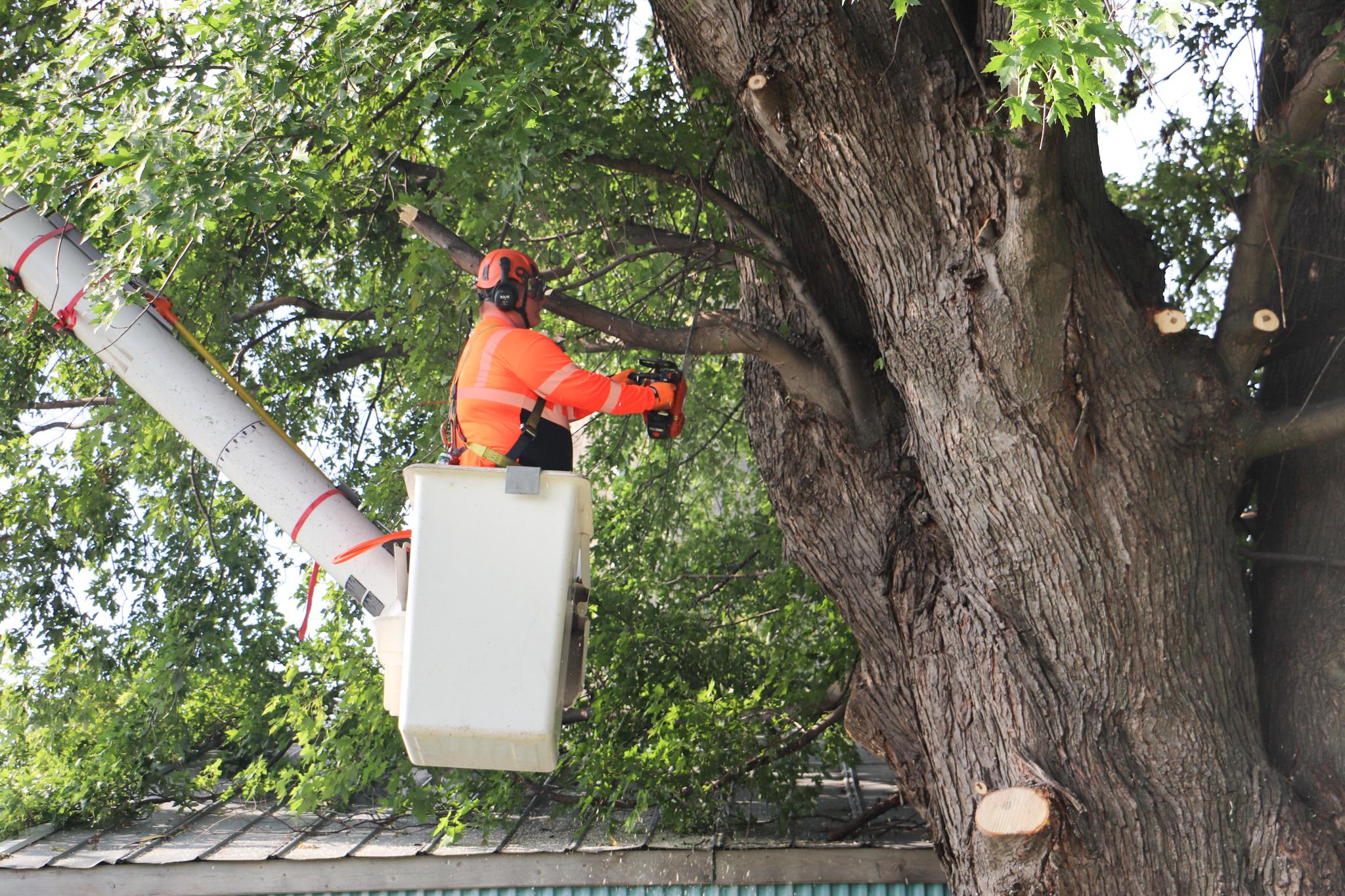
Pruning is an important practice in tree care that ensures optimal development and well-being, as it gets rid of sick or dead limbs and boosts ventilation within the canopy. Applying correct practices makes certain that trees can flourish where they are planted.
An essential practice is "thinning," which involves selectively removing branches to enhance light penetration and reduce weight on weaker limbs. 'Heading back' are another method, where the terminal buds are removed to promote bushier growth, mainly in juvenile trees. Furthermore, the 'crown reduction' technique reduces the height and spread of a tree while maintaining view information about its natural shape.
Timing is essential; trimming when the tree is resting reduces strain and promotes better wound closure. Tools should be sharp and clean to avoid damage and infection transfer. Understanding these important pruning techniques is vital for every arborist aiming to maintain healthy and beautiful trees.
Recognizing Typical Tree Ailments
How can tree owners recognize the signs of common diseases that put their trees at risk? Familiarity with key indicators is critical for prompt identification and treatment. These often include foliage that is off-color or limp, possibly indicating a fungus or a lack of necessary nutrients. Strange developments, for example, galls and cankers, can signal the presence of pests or diseases that harm the tree's vitality. In addition, sap running out or bark flaking off can be a sign of disease that require immediate attention.
Tree owners should also observe alterations in the tree's form, such as branches dying or leaves falling, which might indicate a serious problem beneath the surface. Looking out for insect attacks, like frass or bore holes, is equally important. By remaining vigilant and proactive, owners are able to spot these frequent ailments and get the right solutions, to keep their trees healthy and vigorous across the different seasons.
How Mulching Helps Trees
Applying mulch is a vital method in tree care, providing many advantages that promote healthy growth and resilience. It involves applying a layer of specific material types surrounding the trunk, helping to keep the soil damp, suppress weeds, and stabilizing soil warmth. This protective barrier does more than minimize competition from invasive plants but also boosts the visual appeal of the area.
In addition, natural mulching materials, such as wood chips or bark, decompose over time, enriching the soil with crucial nutrients and improving its structure. This natural breakdown aids in root growth and fosters a healthier environment for the tree. Moreover, mulching can prevent the erosion of soil, maintaining the stability of the tree’s root system. Appropriately spread mulch must be distributed in a ring shape, making sure it doesn't touch with the trunk to stop decay. In summary, making mulching a part into tree care routines significantly aids to the sustained well-being of trees.
Optimal Watering Methods for Trees
Effective tree care requires more than just mulching but also proper watering practices to ensure optimal growth and health. Tree specimens, specifically new plantings, require steady hydration to form solid root networks. Deep hydration is crucial, as it encourages roots to grow downwards where moisture is steadier. Preferably, trees ought to get approximately an inch of water per week, be it from precipitation or additional watering.
It is best to water early in the morning to minimize water loss and fungal diseases. It is important to avoid overwatering, which may result in root rot and related complications. The soil should be checked for moisture before watering; should the top two inches be arid, then watering is necessary. Additionally, utilizing drip irrigation or drip irrigation offers a slow, constant flow of water, making sure trees get enough water without the risk of runoff. Effective hydration techniques are essential contributors to the general well-being of trees.
Retaining Specialized Tree Care: The Timing and Rationale
When assessing the condition and aesthetics of a property, hiring professional tree services may prove essential for homeowners facing complex tree care needs. Expert tree specialists have the expertise to determine tree vitality, identify diseases, and apply successful remedies. They also understand local regulations for removing trees and maintenance, ensuring adherence and sidestepping fines
(Stillwater Tree Service)Homeowners should consider hiring professionals when dealing with large trees, particularly those near structures or power lines, as improper handling can pose safety risks. In addition, trees requiring pruning for appearance or vitality profit from the expertise of trained specialists who can make accurate cuts to stimulate new growth
Periodic maintenance, such as preparing for storms and debris cleanup, also warrant professional intervention to ensure site security and appearance. In the end, using expert tree care providers guarantees that trees receive ideal care, contributing positively to the overall landscape and home valuation
FAQs
How Can I Tell if My Tree Is Overwatered?
Symptoms of excessive watering are yellowing leaves, limpness though the soil is damp, root rot, and significant defoliation. Furthermore, the presence of fungal growth near the trunk's bottom often suggests inadequate water runoff and excess moisture.
What's the Optimal Season for Tree Pruning?
The ideal season for trimming is usually between late winter and the start of spring prior to bud break - Stillwater Tree Service. Pruning at this time encourages healthy growth and reduces the tree's strain, enabling rapid wound closure and further growth
Do Trees Bounce Back After Significant Weather Events?

Yes, trees can recover from severe storm damage. With proper care, such as pruning damaged limbs and supplying necessary moisture and food, most trees will recover their vitality and keep growing strong after experiencing significant stress.
What Should I Look For When Choosing the Right Mulch for My Trees?
To choose the right mulch for trees, one should consider organic materials for example, bark nuggets or wood shavings, apply it to a depth of 2-4 inches, and never stack mulch against the base to safeguard against rot.
Do Certain Tree Species Need More Attention Than Others?
Certain trees, such as fruit trees and newly planted specimens, need extra maintenance due to their sensitivity to environmental changes and specialized fertilization demands. Frequent checking and specific upkeep methods are crucial for their well-being and development.